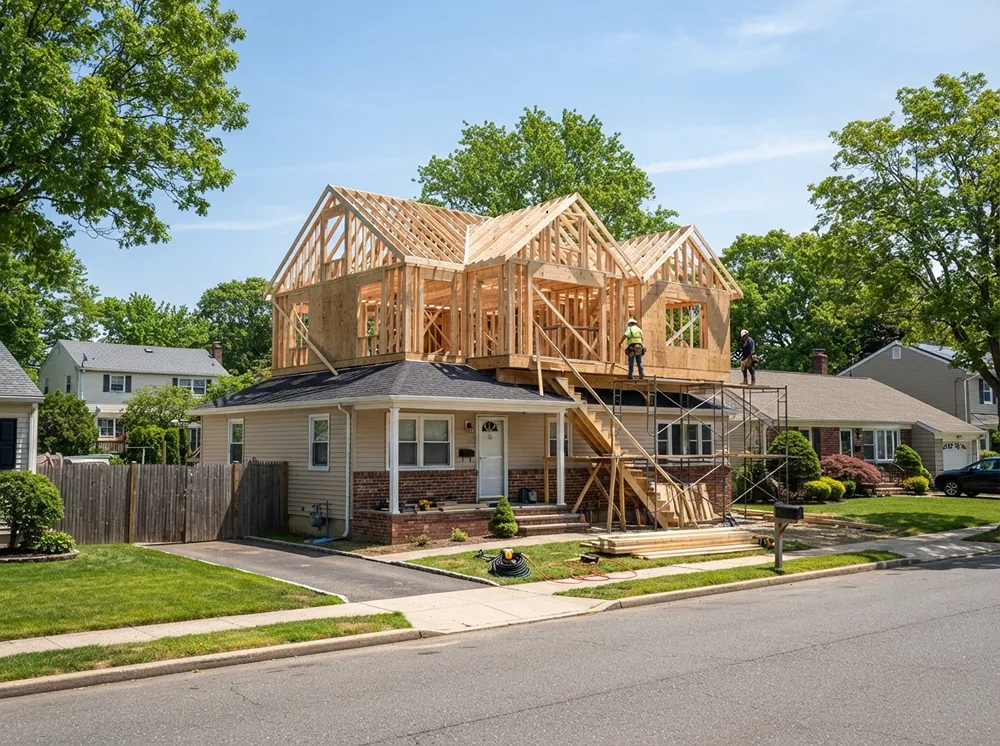
Quick Answer: In most cases, a second-story addition in Bergen County, NJ ranges from $250,000 to $600,000+, depending on the size of the addition, structural requirements, finishes, and whether the project involves a full-home renovation. Smaller additions may start around $200,000, while larger custom projects can exceed $750,000.
At AP Design & Construction, one of the most common questions homeowners ask is:
“How much will it cost to add a second floor to my home?”
The answer depends on several factors, but understanding the costs upfront can help you plan your project and avoid expensive surprises.
Why Homeowners in Bergen County Are Choosing Second-Story Additions
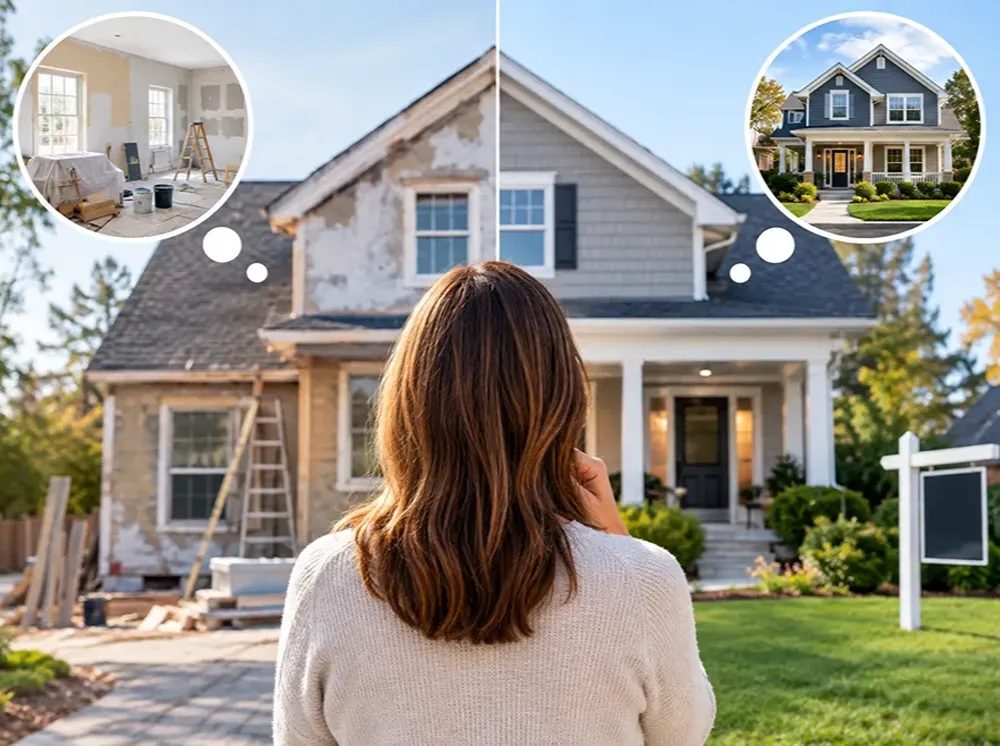
Many families love their neighborhood but have outgrown their home.
Instead of moving, homeowners are investing in second-story additions to:
- Create a larger primary suite
- Add bedrooms for a growing family
- Add bathrooms
- Create a home office
- Increase property value
- Stay in the neighborhood they love
In towns such as Ridgewood, Westwood, Emerson, Wyckoff, and Mahwah, adding a second story is often more cost-effective than purchasing a larger home.
Average Cost of a Second-Story Addition in Bergen County
Here are typical investment ranges:
| Project Type | Typical Cost Range |
|---|---|
| Small Addition (400–600 sq ft) | $200,000 – $325,000 |
| Medium Addition (700–1,000 sq ft) | $300,000 – $500,000 |
| Full Second Story (1,200–2,000+ sq ft) | $450,000 – $750,000+ |
These figures typically include:
- Architectural plans
- Engineering
- Permits
- Structural framing
- Roofing
- Insulation
- Electrical
- Plumbing
- HVAC modifications
- Drywall
- Interior finishes
What Factors Affect the Cost?
1. Existing Structure
Not every home was designed to carry a second floor.
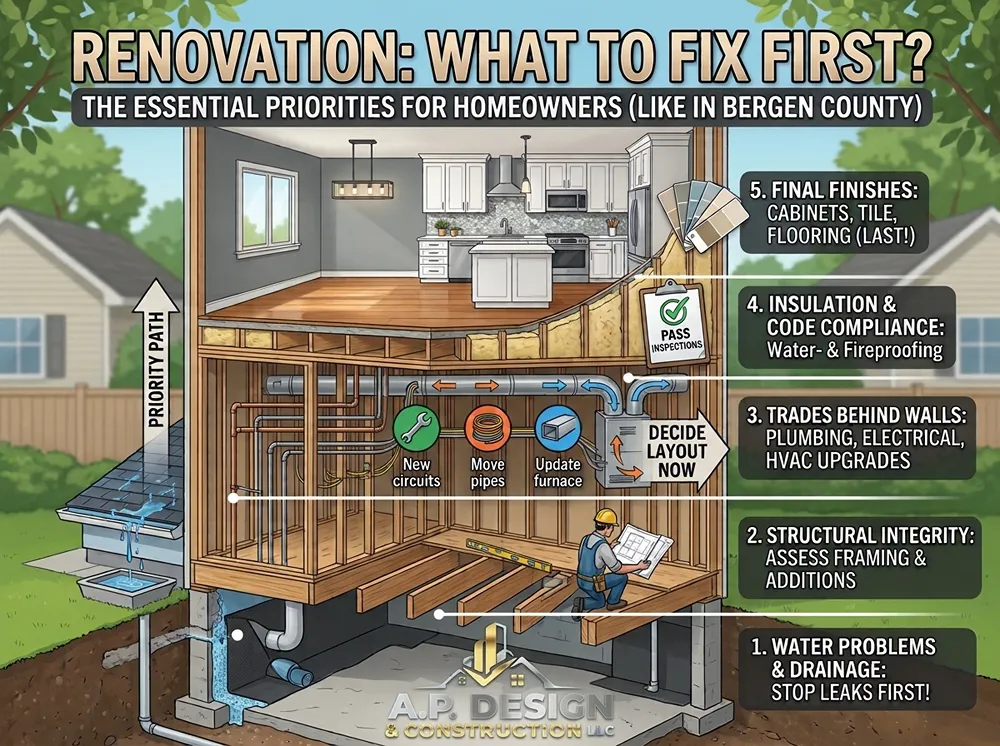
Before construction begins, an engineer must determine:
- Foundation capacity
- Load-bearing walls
- Structural modifications
- Beam requirements
In many projects, new LVL beams, posts, or foundation reinforcement are required.
The more structural work needed, the higher the investment.
2. Size of the Addition
A larger addition naturally increases costs due to:
- More framing
- Additional roofing
- More electrical and plumbing work
- More finish materials
However, larger additions often provide a lower cost per square foot than smaller additions.
3. Number of Bathrooms
Bathrooms are among the most expensive spaces in any renovation.
Adding one or two bathrooms upstairs can significantly affect the budget because of:
- Plumbing systems
- Tile work
- Fixtures
- Waterproofing
- Ventilation
4. Interior Finish Selections
Finish choices can dramatically change costs.
Examples include:
Standard Finishes
- Luxury vinyl flooring
- Basic tile
- Stock vanities
- Standard trim
Premium Finishes
- Hardwood flooring
- Custom cabinetry
- Quartz or stone surfaces
- Designer lighting
- Custom millwork
5. Roof Complexity
Some homes require:
- Complete roof removal
- Dormers
- Structural roof redesign
- New ridge beams
Complex roof structures require additional labor and materials.
Hidden Costs Homeowners Often Miss
One of the biggest mistakes homeowners make is comparing estimates without understanding what’s included.
Common overlooked items include:
- Temporary weather protection
- Dumpster costs
- Permit fees
- Engineering revisions
- HVAC upgrades
- Electrical service upgrades
- Flooring transitions
- Painting
- Trim carpentry
- Inspection fees
A detailed estimate helps eliminate surprises later.
Is a Second-Story Addition Worth It?
For many Bergen County homeowners, the answer is yes.
Benefits include:
✓ More living space
✓ Increased home value
✓ Avoiding moving expenses
✓ Staying in your preferred school district
✓ Customizing your home to fit your family’s needs
In many cases, homeowners spend less on a second-story addition than they would on selling, purchasing, and renovating a larger home.
How AP Design & Construction Plans Second-Story Additions
Successful projects begin long before construction starts.
Our process includes:
1. Discovery Meeting
We discuss goals, budget, and vision.
2. Design & Planning
We coordinate architectural and engineering plans.
3. Detailed Budget Review
We provide transparent pricing and scope review.
4. Pre-Construction Planning
We schedule trades, inspections, materials, and timelines before work begins.
5. Construction & Project Management
Our team manages every phase from demolition through final completion.
Our philosophy is simple:
We don’t guess. We plan.
Because mistakes that show up at the end usually started at the beginning.
Frequently Asked Questions
How long does a second-story addition take?
Most projects take between 4 and 8 months depending on complexity, approvals, weather, and material selections.
Do I need permits for a second-story addition?
Yes. Bergen County municipalities require permits and inspections for structural, electrical, plumbing, and mechanical work.
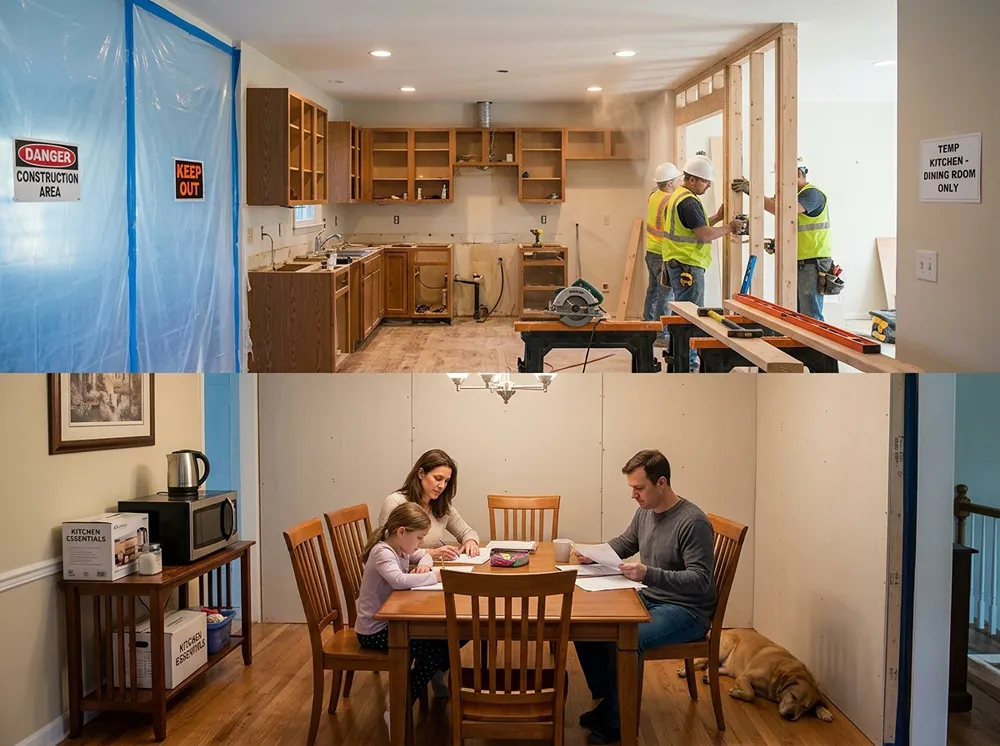
Can I stay in my home during construction?
Sometimes. It depends on the scope of work and safety considerations. Many homeowners remain in the home for portions of the project.
Does a second-story addition increase property value?
In many cases, yes. Additional bedrooms, bathrooms, and living space can significantly increase resale value.
What is the first step?
The first step is evaluating the existing structure and creating a realistic design and budget plan.
Final Thoughts
A second-story addition is one of the most effective ways to transform your home without leaving the neighborhood you love.
While every project is different, most Bergen County homeowners should expect to invest between $250,000 and $600,000+ depending on size, structural requirements, and finish selections.
The key to a successful project isn’t just construction—it’s planning.
At AP Design & Construction, we help homeowners throughout Bergen County design, plan, and build second-story additions with a clear process, transparent communication, and attention to detail from day one.
Thinking about adding a second story to your home? Contact AP Design & Construction today to schedule a consultation and discuss your project goals, budget, and timeline.